Diplomacy / Research article
Training diplomats for AI, and AI for diplomacy
A human skills agenda, paired with practical tests for AI assistants and a proposed 12-week training programme.
Read the analysis 4 min read · PDF
TACITUS Consulting / AI, strategy & diplomacy
AI changes how organisations work—and what they depend on. We help leaders decide where to invest, how to govern, and what to negotiate.

01 / Our expertise
Research and advisory for companies, public institutions and policy teams. Each engagement starts with the decision at hand and ends with work the organisation can use.
Choose where AI can improve an operating result. Examine the full workflow, establish a baseline and prepare the people responsible for the outcome.
What the work producesA prioritised use-case portfolio, pilot evaluation and role-specific preparation plan.
Connect procurement, security, legal and technical decisions. Make data permissions, service changes, capacity and exit arrangements part of the same negotiation.
What the work producesA supplier comparison, negotiation mandate and operating controls with named owners.
Investigate how technology changes institutional power, infrastructure dependencies and diplomatic practice. Build research and training programmes that keep evidence attached to conclusions.
What the work producesA sourced research report, dependency assessment or diplomatic-AI evaluation design.
Featured report / Diplomacy & AI
What should diplomats know about AI? What should AI learn about diplomacy? A practical skills agenda for people, paired with tests for the systems that support them.
Read the article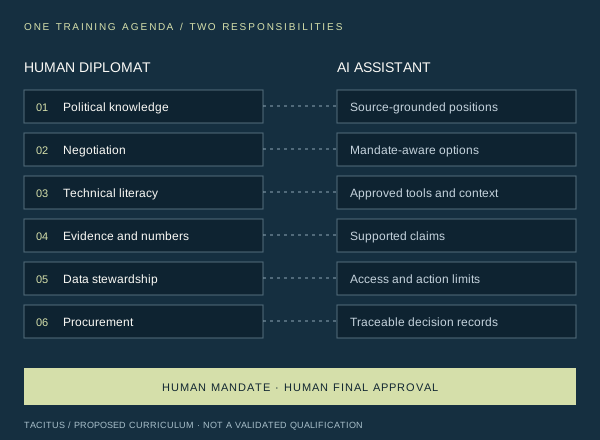
02 / Selected research
Examples of our analytical approach. Short briefs, source notes and practical exhibits. Illustrative research, rather than client case studies.
8 of 8 publications
Diplomacy / Research article
A human skills agenda, paired with practical tests for AI assistants and a proposed 12-week training programme.
Strategy / Research briefing
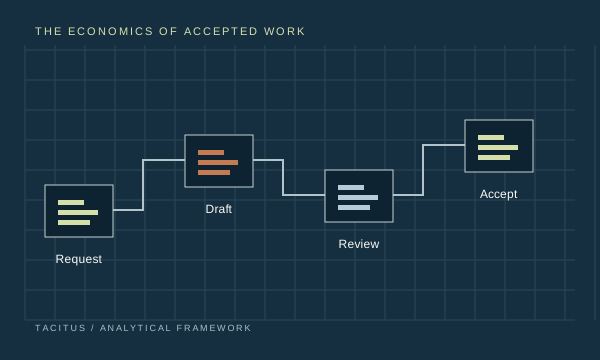
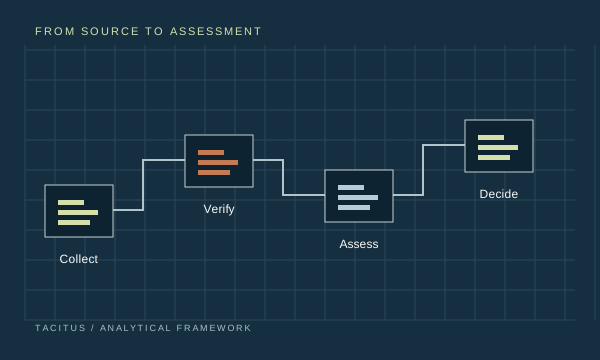
Define who checks a claim, who assesses its significance and who can approve a diplomatic position.
Transformation / Research briefing
Measure the full workflow and show how released capacity becomes an operating benefit.
Governance / Research briefing
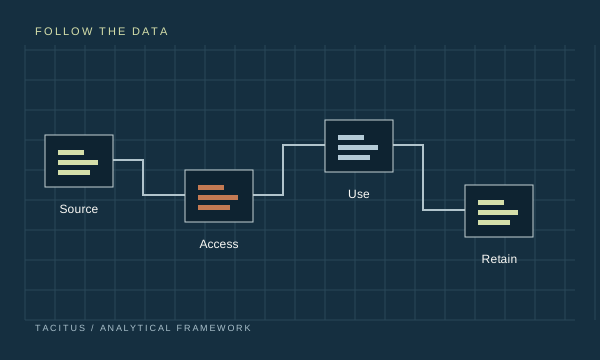
Check the actual product, endpoint and account settings before approving company data.
Workforce / Research briefing
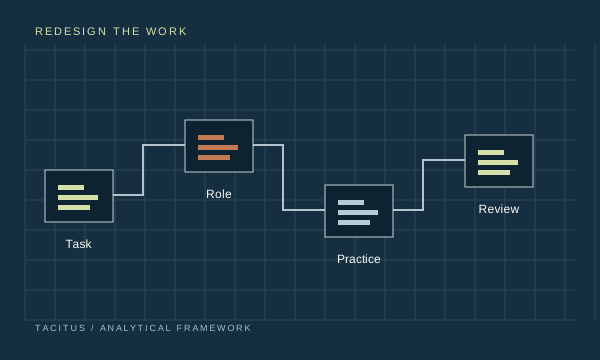
Train staff and supervisors against the actual tasks and decisions that AI changes.
Compute / Research briefing
Use current demand estimates and dated geography to investigate the dependencies behind an AI service.
Diplomacy / Research briefing
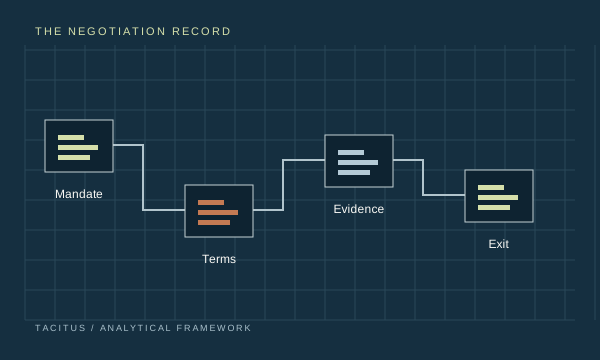
Give a human negotiation lead the authority and specialist support to connect the commercial and technical terms.
Intelligence / Research briefing
Deduplicate sources, preserve supporting passages and distinguish observed coordination from attribution.
No publications match this search.
03 / An infrastructure lens
A second supplier may depend on the same fabrication geography, electricity system or permissions. Historical infrastructure maps help frame the next procurement question.
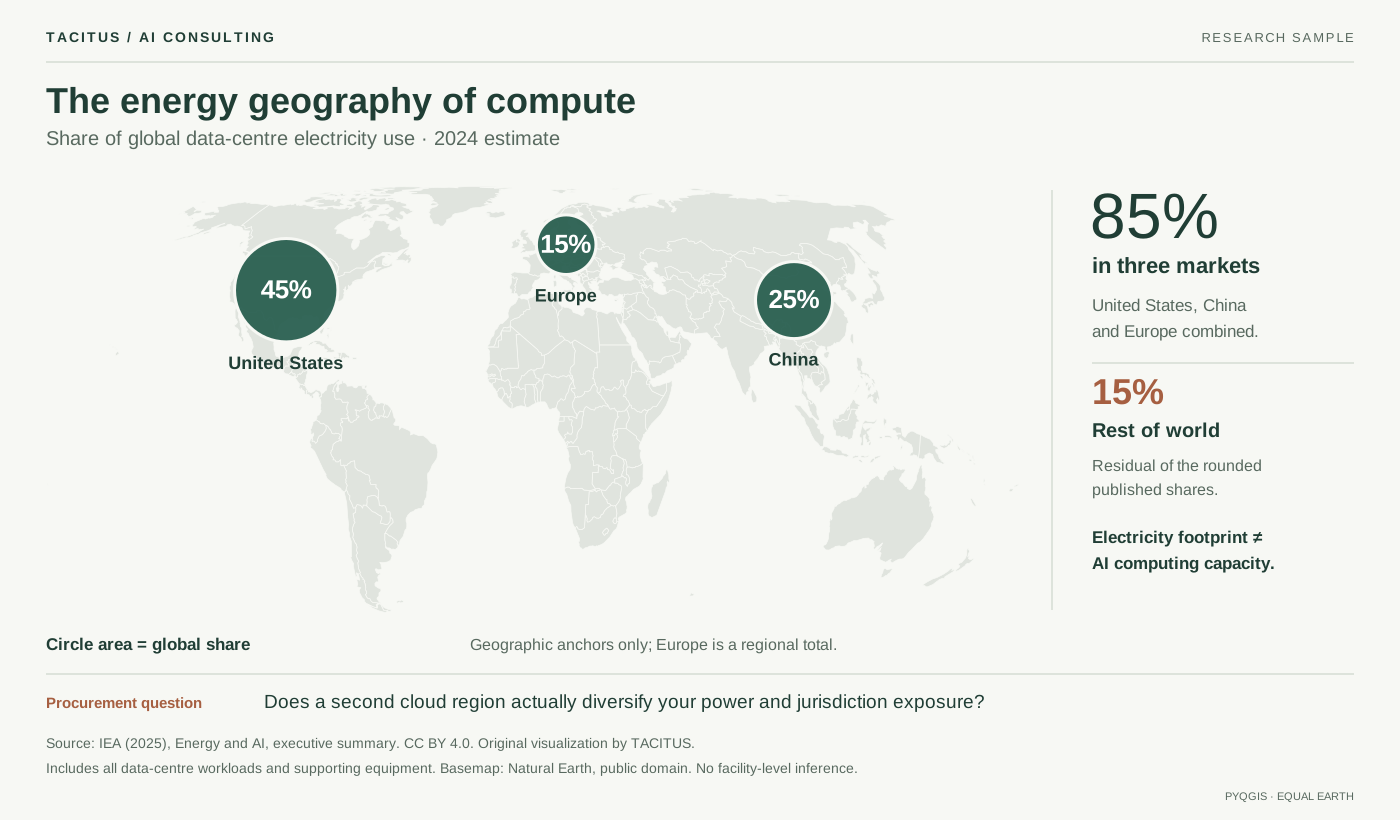
The United States, China and Europe account for 85% of the IEA’s rounded 2024 estimates. The measure covers all data-centre workloads and supporting equipment.
Source: IEA, Energy and AI (2025) · CC BY 4.0. TACITUS map; Natural Earth basemap, public domain.
Which serving regions, grid connections and capacity commitments support this workload? What alternative has been tested under realistic conditions?
Electricity consumption is an infrastructure proxy. It does not establish available GPU capacity or the resilience of a specific service.
| Geography | Share |
|---|---|
| United States | 45% |
| China | 25% |
| Europe | 15% |
| Rest of world | 15% · derived residual |
Europe remains the source’s regional aggregate. Values are not allocated to individual countries. Grey geography is context, not zero consumption.
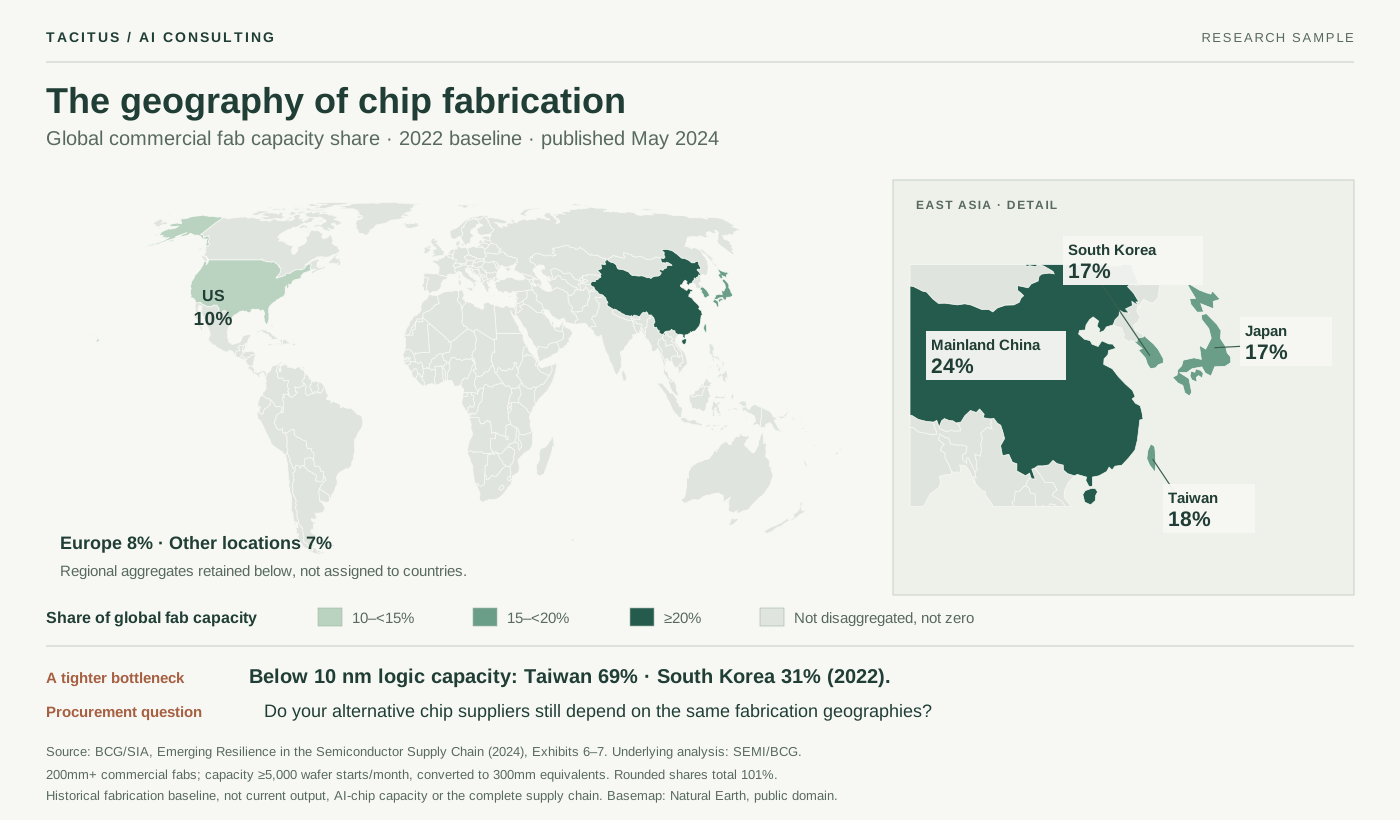
Supplier diversity can conceal shared fabrication exposure. This 2022 baseline covers commercial fab capacity across chip types, rather than current AI-accelerator availability.
Source: BCG/SIA, Emerging Resilience in the Semiconductor Supply Chain (2024), Exhibits 6–7. SEMI/BCG analysis. Original TACITUS visualization.
Where are the relevant chips fabricated and packaged? Which memory and equipment dependencies are shared? How long would an alternative take to qualify?
The two capacity measures have separate denominators. Neither describes the full supply chain or current production.
| Geography | All commercial fab capacity | Below-10nm logic |
|---|---|---|
| Mainland China | 24% | Not separately shown |
| Taiwan | 18% | 69% |
| South Korea | 17% | 31% |
| Japan | 17% | Not separately shown |
| United States | 10% | Not separately shown |
| Europe | 8% | Not separately shown |
| Other locations | 7% | Not separately shown |
All-capacity shares total 101% due to source rounding. Commercial fabs: wafers ≥200mm, capacity ≥5,000 wafer starts/month, converted to 300mm equivalents. Unallocated regions are not zero.
04 / How we work
A research programme should make a decision easier to examine. We establish what the evidence supports, where it stops, and what the organisation should test next.
Scope an engagementAgree the question, decision owner, intended audience and constraints. Define what a useful answer must enable.
Review primary sources, compare competing explanations and examine dependencies. Practitioner interviews can be scoped where access is agreed.
Use scenarios, workflow trials or independent review to challenge the recommendation. Keep assumptions and unresolved questions visible.
Provide an executive argument, supporting exhibits and a source trail. Agree the actions, owners and evidence needed for the next decision.
Follow the questions behind the consulting work: the political economy of AI, institutional change and the future of diplomacy.
AI & political economy / X
AI, infrastructure and the choices that determine how technological gains are distributed.
Follow @AoAbundanceIdeas & statecraft / Substack
Diplomacy, AI policy and governance. A publication for examining how institutions respond to technological and political change.
Explore the publicationWork with TACITUS
Tell us which decision you face, who needs to use the work and when the answer matters. We can then agree the research, scope and deliverables.
hello@tacitus.meOpens your email app. Scope and terms are agreed before an engagement.